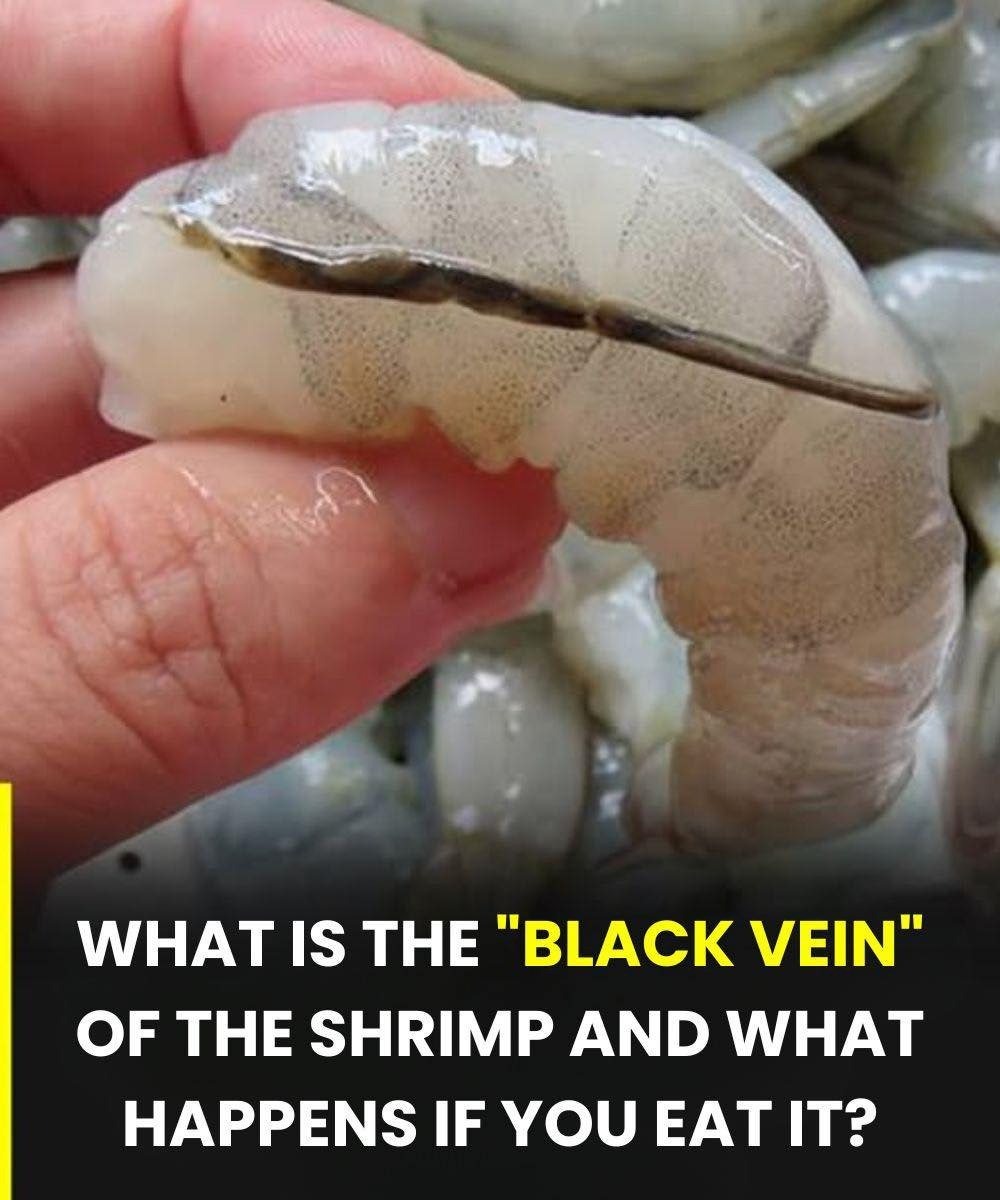

The shrimp is small (like salad shrimp or tiny bay shrimp)—the tract is minuscule and harmless.
You’re cooking shrimp in the shell (e.g., grilled or boiled)—most people discard the shell anyway.
You’re making stock or broth—the “vein” adds negligible flavor and gets strained out.
💡 Food safety note: The digestive tract is not toxic and poses no health risk when cooked. Removing it is about texture and refinement, not safety.
✅ How to Devein Shrimp (Quick & Easy)Peel the shrimp (leave tail on if desired).
Make a shallow slit along the back with a paring knife.
Use the knife tip or a toothpick to lift out the dark thread.
Rinse under cold water if needed.
⏱️ Pro shortcut: Buy pre-deveined shrimp—many brands offer this for convenience.
🌍 Cultural Perspectives
In France and Italy, deveining is standard for elegant dishes.
In many Asian cuisines, small shrimp are often cooked whole—no deveining needed.
In American seafood boils, shrimp are typically served in-shell and eaten by hand—vein intact.
❤️ The Bottom Line
Deveining shrimp isn’t mandatory—but it elevates texture and presentation, especially for larger or center-of-the-plate dishes. Think of it like removing stems from strawberries: not required, but a small act of care that shows attention to detail.
“Great cooking isn’t about rules—it’s about respect for the ingredient.”
So devein when it matters, skip it when it doesn’t—and never stress over it. After all, shrimp are delicious either way. 🦐✨

Leave a Comment